
 EN
 AR
 BG
 HR
 CS
 DA
 NL
 FI
 FR
 DE
 EL
 HI
 IT
 JA
 KO
 NO
 PL
 PT
 RO
 RU
 ES
 SV
 CA
 TL
 IW
 ID
 LV
 LT
 SR
 UK
 VI
 SQ
 HU
 MT
 TR
 FA
 MS
 BN
 LA
 MY
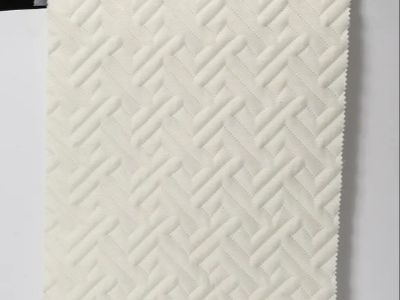
The increasing focus on sustainability in manufacturing has led to the rise of eco-friendly materials, with TPE laminated 2 layers fabric becoming a popular choice across various industries. This innovative fabric combines thermoplastic elastomer (TPE) with lamination technology to provide durability, waterproofing, and environmental benefits. As B2B buyers, purchasing managers, and product developers look for sustainable options, understanding the specifications, applications, and cost factors of TPE laminated fabrics becomes crucial. This article will help you navigate the key considerations for sourcing eco-friendly fabrics for your business.
Key Specifications
When evaluating TPE laminated 2 layers fabric, several key specifications are essential to ensure it meets your application needs.
Material Composition: TPE is known for its flexibility and resistance to extreme temperatures, making it suitable for various applications including outdoor gear, medical supplies, and home textiles. The lamination process enhances its strength and durability, enabling it to withstand harsh conditions.
Thickness and Weight: The thickness of the fabric affects its weight and performance. Common thickness ranges from 0.3mm to 1.5mm, depending on the intended application. A thicker fabric may provide better insulation but could also be less flexible.
Waterproof Ratings: The fabric's waterproof capability is measured by hydrostatic pressure. A higher rating indicates better water resistance, which is crucial for outdoor applications. Buyers should consider the specific requirements of their recycled tpe film products when selecting fabric.
Breathability: For applications in clothing, breathability is an important factor to prevent moisture buildup. TPE laminated fabrics can be engineered to allow moisture vapor to escape while maintaining waterproof properties.
Color and Pattern Options: With over 3,000 patterns available, customization options for color and design enhance product appeal. This can be particularly useful for brands looking to create unique offerings.
Understanding these specifications can help you select the right TPE laminated fabric for your products.
How to Choose Eco-Friendly Fabrics for Wholesale Purchasing?
Selecting eco-friendly fabrics involves several considerations to ensure that they align with your sustainability goals and product requirements.
Certifications: Look for certifications indicating environmental compliance, such as OEKO-TEX or GOTS. These certifications ensure that the fabric is free from harmful substances and produced under sustainable practices.
Source of Raw Materials: Investigate the sourcing of the TPE materials. Sustainable manufacturing practices, such as using recycled content or renewable resources, can further enhance the eco-friendliness of the fabric.
Supplier Reputation: Partner with manufacturers who have a proven track record in producing eco-friendly good lining fabric. In the case of Fuhuang Textile, their 15 years of lamination experience and commitment to sustainable practices make them a reliable choice.
Performance Requirements: Ensure the fabric meets the specific performance criteria for your application, such as durability, waterproofing, and UV resistance. Testing samples in real-world conditions can provide insight into how the fabric will perform.
Cost Considerations: While eco-friendly fabrics may have a higher upfront cost, consider the long-term benefits, including reduced environmental impact and potential cost savings in durability and maintenance.
By thoroughly evaluating these factors, you can make informed decisions that align with your company’s sustainability objectives.
Cost Factors to Consider When Buying TPE Laminated Fabrics in Bulk
When purchasing TPE laminated fabrics in bulk, several cost factors need to be considered to ensure you receive the best value for your investment.
Material Costs: The price of TPE can fluctuate based on market conditions, availability, and the specific formulations used. Always request a detailed quotation that breaks down material costs.
Production Volume: Bulk orders often come with discounts, but the minimum order quantity (MOQ) can vary by supplier. Confirm the MOQ and negotiate pricing based on your projected usage.
Customization Fees: Custom patterns, colors, or treatments may incur additional costs. Ensure you understand any associated fees before finalizing your order.
Shipping and Handling: Factor in shipping costs, which can vary based on destination and order size. Discuss logistics with your supplier to find the most cost-effective shipping options.
Quality Control: Ensure there’s a quality control process in place. Inadequate quality control can lead to returns or additional costs for replacements, which can impact your overall budget.
By understanding these cost factors, you can better negotiate with suppliers and optimize your budget for TPE laminated fabrics.
Applications of TPE Laminated Fabrics in Various Industries
TPE laminated 2 layers fabric finds applications across a wide range of industries due to its unique properties.
Outdoor Sports Clothing: Its waterproof and breathable characteristics make it ideal for outdoor apparel, ensuring comfort and protection from the elements.
Medical Textiles: TPE fabrics are increasingly used in medical applications such as surgical gowns and drapes, where sterility and durability are paramount.
Home Textiles: The fabric is suitable for waterproof home textiles like tablecloths and curtains, providing functional and aesthetic benefits.
Footwear: Waterproof TPE laminated fabrics are often used in shoes, offering protection against moisture while maintaining breathability.
Luggage: The durability and resistance to wear make TPE laminated fabrics an excellent choice for manufacturing high-quality luggage.
Understanding these applications can help businesses identify new markets and product opportunities for TPE laminated fabrics.
Common Problems with Laminated Fabrics and Effective Solutions
While TPE laminated fabrics offer numerous advantages, they also present some challenges. Here are common problems and how to address them:
Delamination: This issue occurs when layers of the fabric begin to separate. To mitigate this risk, ensure that the lamination process is performed under optimal conditions and that the selected adhesive is compatible with both layers.
Moisture Buildup: In some applications, moisture can accumulate within the fabric layers. To combat this, consider selecting breathable laminates that allow moisture vapor to escape while still providing waterproof protection.
Color Fading: Exposure to UV light can cause color fading over time. Selecting UV-resistant treatments during the manufacturing process can help maintain the fabric's color integrity.
Embrittlement: With prolonged exposure to certain environmental conditions, TPE cute print fabric may become brittle. Regular testing and selecting the right TPE formulation based on the intended application can help prevent this issue.
Quality Inconsistencies: Variability in production can lead to inconsistent quality. Establishing a robust quality control process, including sample approvals before mass production, can help ensure uniformity across batches.
By anticipating these challenges and implementing effective solutions, buyers can make informed decisions and maintain product quality in their applications.