 EN
 AR
 BG
 HR
 CS
 DA
 NL
 FI
 FR
 DE
 EL
 HI
 IT
 JA
 KO
 NO
 PL
 PT
 RO
 RU
 ES
 SV
 CA
 TL
 IW
 ID
 LV
 LT
 SR
 UK
 VI
 SQ
 HU
 MT
 TR
 FA
 MS
 BN
 LA
 MY
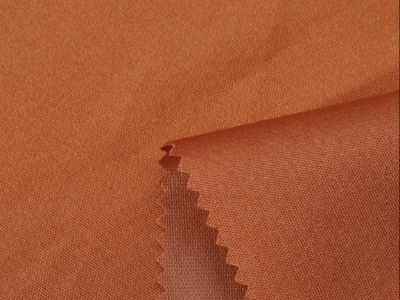
PU coated softshell fabric is a versatile material that combines comfort, durability, and weather resistance, making it ideal for outdoor apparel and various commercial applications. As B2B buyers in industries like outdoor gear, medical textiles, and sportswear seek reliable and high-performance fabrics, understanding the 2026 cross-border trends for PU coated softshell fabric becomes essential. This article will cover key specifications, sourcing options, cost factors, and installation guidance, helping purchasing managers and product developers make informed decisions.
Maximize Your Buying Power with PU Coated Softshell Fabric Wholesale Options
When looking to purchase PU coated softshell fabric in bulk, consider leveraging wholesale options to maximize your buying power. Working directly with manufacturers or authorized distributors can lead to significant cost savings. As a seasoned textile manufacturer, Fuhuang Textile understands the importance of competitive pricing and flexible minimum order quantities (MOQs) to accommodate various business needs.
Buyers should approach suppliers with clear specifications, including desired fabric weight, coating type, and application requirements. This helps in negotiating better prices while ensuring that the fabric meets necessary performance standards. Additionally, taking advantage of bulk purchasing allows for better inventory management and reduces lead times for future orders.
Key Specifications to Consider When Choosing PU Coated Softshell Fabric
Selecting the right PU coated softshell fabric involves understanding several critical specifications:
Thickness: The fabric's thickness affects its durability and insulation properties. Thicker fabric softshell typically provide better protection against harsh weather but may be less breathable. Determine the ideal thickness based on the intended application, such as outdoor jackets or medical garments.
Waterproof Rating: This indicates the fabric's ability to resist water penetration. A higher waterproof rating, measured in millimeters, is essential for outdoor sports clothing. Ensure the fabric has been tested for its waterproof capabilities to avoid performance failures during use.
Breathability: Breathable fabrics allow moisture to escape, enhancing user comfort. Look for fabrics with breathability ratings (measured in g/m²/24h) to ensure they meet the demands of active users engaged in strenuous activities.
Durability: Consider resistance to abrasion, tearing, and UV exposure. Fabrics with reinforced fibers or additional treatments can extend the lifespan, particularly in rugged outdoor environments.
Customization Options: With Fuhuang Textile's ODM logo customization, buyers can tailor fabric designs to align with their brands, ensuring a competitive edge in the market.
By focusing on these specifications, buyers can choose a PU coated softshell fabric that meets their performance and application needs.
Where to Source Reliable Suppliers for PU Coated Softshell Fabric?
Identifying reliable suppliers for PU coated softshell fabric is crucial for ensuring quality and consistency. Start by considering manufacturers with a proven track record in functional textiles. Companies like Fuhuang Textile, with over 15 years of lamination experience, are well-equipped to meet customer requirements.
Industry Trade Shows: Attend trade shows and exhibitions dedicated to textiles and outdoor gear. These events provide opportunities to meet suppliers, view product samples, and discuss specific needs directly.
Online Marketplaces and B2B Platforms: Utilize platforms to find suppliers. Check reviews, request samples, and verify their manufacturing capabilities.
Local Distributors: Consider working with regional distributors who may have established relationships with reliable manufacturers. They can offer local support and streamline the procurement process.
Certifications and Compliance: Ensure that suppliers have relevant certifications (ISO, OEKO-TEX) that validate their quality control processes and product safety standards.
By sourcing from reputable suppliers, buyers can minimize risks associated with quality inconsistencies and delivery delays.
Understanding Cost Factors for Bulk Orders of PU Coated Softshell Fabric
Pricing for PU coated softshell fabric can vary significantly based on several factors. Understanding these cost determinants can aid buyers in making budget-conscious decisions:
Material Quality: Higher quality raw materials typically result in a higher fabric cost. Assess the trade-offs between price and performance to avoid future issues with durability or functionality.
Order Volume: Bulk purchasing often leads to lower per-unit costs. However, be mindful of MOQs and negotiate with suppliers to find a balance that meets your budget and inventory needs.
Customization: Custom designs or specific performance features may incur additional charges. Clearly outline your requirements to receive accurate quotations from suppliers.
Shipping and Handling: Consider logistics costs when budgeting for your fabric order. International shipping can significantly impact overall expenses, so factor in lead times and delivery methods.
Market Trends: Stay informed about industry trends that may influence pricing, such as fluctuations in raw material costs or changes in demand due to seasonal variations.
By understanding these cost factors, buyers can make informed decisions that align with their operational budgets.
Installation Guidance for PU Coated Softshell Fabric in Various Projects
Installing PU coated softshell fabric requires careful consideration of the intended application and specific project requirements. Here are some installation guidelines to ensure optimal performance:
Preparation: Before installation, ensure that the surface or garment to which the fabric will be applied is clean and dry. This helps in achieving proper adhesion and performance.
Sewing Techniques: Use appropriate sewing techniques and thread types that complement the waterproof softshell properties. For example, using waterproof seams may be necessary for outdoor applications to maintain the fabric's integrity.
Testing Samples: Prior to mass production, test a sample of the fabric under actual operating conditions. This step is crucial to identify any issues related to fit, functionality, or durability.
Care Instructions: Provide end-users with clear care instructions to maintain the fabric's performance over time. Proper washing and drying methods can significantly extend the lifespan of the product.
Quality Checks: Implement quality control measures during the installation process. Regular inspections can help identify any inconsistencies or defects before finalization.
By following these installation guidelines, buyers can ensure that their projects utilizing PU coated softshell fabric deliver the desired performance and longevity.
Table of Contents
- Maximize Your Buying Power with PU Coated Softshell Fabric Wholesale Options
- Key Specifications to Consider When Choosing PU Coated Softshell Fabric
- Where to Source Reliable Suppliers for PU Coated Softshell Fabric?
- Understanding Cost Factors for Bulk Orders of PU Coated Softshell Fabric
- Installation Guidance for PU Coated Softshell Fabric in Various Projects