 EN
 AR
 BG
 HR
 CS
 DA
 NL
 FI
 FR
 DE
 EL
 HI
 IT
 JA
 KO
 NO
 PL
 PT
 RO
 RU
 ES
 SV
 CA
 TL
 IW
 ID
 LV
 LT
 SR
 UK
 VI
 SQ
 HU
 MT
 TR
 FA
 MS
 BN
 LA
 MY
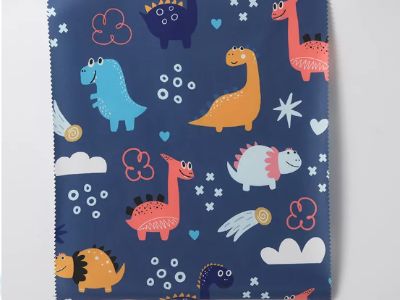
Custom PU Coated 2 Layers Fabric is an innovative textile solution designed for various applications, including outdoor sports clothing, waterproof home textiles, and medical uses. This fabric combines performance and durability, making it a preferred choice for manufacturers seeking high-quality materials. We will explore the benefits of Custom PU Coated 2 Layers Fabric, essential supplier selection criteria, crucial specifications, installation guidance, and common challenges associated with these fabrics. Understanding these aspects will empower B2B buyers to make informed purchasing decisions.
Understanding the Benefits of Custom PU Coated 2 Layers Fabric for Wholesale
Custom PU coated fabric offers several advantages that make it an attractive choice for wholesale applications. One of its main benefits is its waterproof nature, which is essential for products exposed to harsh weather conditions. This makes it ideal for outdoor sports clothing and luggage. The two-layer construction also enhances breath-ability, allowing moisture vapor to escape while preventing water penetration, thus ensuring comfort and performance.
Another significant advantage is the customization capability. Buyers can request specific colors, patterns, and finishes to align with their brand identity or product requirements. This flexibility is crucial for businesses looking to differentiate themselves in a competitive market. Additionally, the PU coating enhances the fabric's durability, resistance to abrasion, and longevity, reducing the need for frequent replacements and contributing to cost savings over time.
How to Choose the Right Supplier for Custom PU Coated Fabrics
Selecting the right supplier for Custom PU Coated Fabrics involves several critical factors. First, assess the supplier's manufacturing capabilities. Look for companies with extensive experience in producing functional textiles and a proven track record in quality control processes. Suppliers like Fuhuang Textile, with over 15 years of lamination experience, can offer valuable insights into production efficiency and quality assurance.
Next, consider the supplier's customization capabilities. A responsive supplier should be able to accommodate various requests, including specific dimensions, colors, and patterns. Request samples to evaluate their ability to meet your specifications accurately. Additionally, check for certifications that demonstrate compliance with industry standards, as these can indicate the supplier's commitment to quality and safety.
Lastly, evaluate the supplier's customer service and support. A reliable supplier should be responsive to inquiries, provide timely updates on production status, and assist with any issues that may arise during the purchasing process. Strong communication can significantly enhance the overall experience and lead to successful long-term partnerships.
Specifications to Consider for Custom PU Coated 2 Layers Fabric
When sourcing Custom PU Coated 2 Layers Fabric, several specifications should be reviewed to ensure compatibility with your intended application. Key specifications include:
Thickness: The thickness of the fabric directly affects its durability and performance. Thicker fabrics may offer enhanced protection but can reduce flexibility. Buyers should select a thickness that balances durability and comfort based on their specific needs.
Waterproof Rating: This is crucial for outdoor applications. The waterproof rating, often expressed in millimeters, indicates the fabric's ability to withstand water pressure. A higher rating is preferable for extreme conditions.
Breathability: This specification measures how well moisture vapor escapes from the fabric. Breathable coat lining fabric help maintain comfort during high-intensity activities. Buyers should consider the expected activity level when evaluating breath-ability requirements.
Seam Sealing: For waterproof applications, the sealing of seams is vital. Ensure that the supplier uses effective sealing methods to prevent water ingress at stitch points.
Weight: The weight of the fabric impacts its handling and application. Lighter fabrics are easier to transport and handle, while heavier fabrics may offer increased durability.
Understanding these specifications and their implications will help buyers select a fabric that meets their functional and performance needs.
Installation Guidance for Custom PU Coated 2 Layers Fabric Products
Proper installation of Custom PU Coated 2 Layers Fabric is crucial for optimal performance. Here are some essential guidelines:
Preparation: Ensure that the surface to which the fabric will be applied is clean, dry, and free of debris. Any contaminants can compromise adhesion and performance.
Cutting: Use sharp, appropriate tools for cutting to avoid fraying. Ensure that cuts are precise to match the intended dimensions, as even slight inaccuracies can lead to issues during assembly.
Adhesives: When bonding the fabric to other materials, choose adhesives that are compatible with PU coatings. Some adhesives may not perform well with the fabric's surface, leading to peeling or separation.
Sealing: If the fabric is used in applications requiring waterproof integrity, ensure that all edges and seams are adequately sealed. This includes using seam tape or appropriate sealants designed for use with PU coated materials.
Testing: After installation, conduct tests to verify the fabric's performance under expected conditions. This may include water resistance tests and durability assessments to ensure that the fabric meets the necessary specifications.
By following these guidelines, buyers can ensure that their Custom PU Coated 2 Layers Fabric products perform effectively in their intended applications.
Common Problems with PU Coated Fabrics and Effective Solutions
While Custom PU Coated Fabrics offer numerous benefits, they are not without challenges. Here are some common issues and their solutions:
Adhesion Problems: Sometimes, the fabric may not adhere properly to other materials. This can be mitigated by ensuring that the surfaces are clean and using the right adhesive. Testing the adhesive compatibility with the PU coating beforehand can prevent this issue.
Degradation Over Time: Prolonged exposure to UV light can lead to fabric degradation. To address this, consider incorporating UV-resistant additives into the fabric or applying protective coatings that shield against harmful rays.
Color Fading: Color fading can occur due to environmental exposure. Selecting high-quality pigments and coatings can help maintain color integrity over time. Additionally, providing care instructions for end-users can extend the fabric's aesthetic appeal.
Water Ingress at Seams: If seams are not properly sealed, water may penetrate through them. Employing high-quality seam sealing techniques and regular inspections can help catch any weaknesses before they become significant problems.
Breathability Issues: In some cases, the fabric may not provide adequate breath-ability, leading to discomfort. Buyers should carefully select PVC coated polyester fabric with appropriate breath-ability ratings and test them in real-world conditions to ensure they meet performance expectations.
By proactively addressing these common issues, buyers can optimize the performance and longevity of their Custom PU Coated 2 Layers Fabric products.
Table of Contents
- Understanding the Benefits of Custom PU Coated 2 Layers Fabric for Wholesale
- How to Choose the Right Supplier for Custom PU Coated Fabrics
- Specifications to Consider for Custom PU Coated 2 Layers Fabric
- Installation Guidance for Custom PU Coated 2 Layers Fabric Products
- Common Problems with PU Coated Fabrics and Effective Solutions