
 EN
EN
 AR
AR
 BG
BG
 HR
HR
 CS
CS
 DA
DA
 NL
NL
 FI
FI
 FR
FR
 DE
DE
 EL
EL
 HI
HI
 IT
IT
 JA
JA
 KO
KO
 NO
NO
 PL
PL
 PT
PT
 RO
RO
 RU
RU
 ES
ES
 SV
SV
 CA
CA
 TL
TL
 IW
IW
 ID
ID
 LV
LV
 LT
LT
 SR
SR
 UK
UK
 VI
VI
 SQ
SQ
 HU
HU
 MT
MT
 TR
TR
 FA
FA
 MS
MS
 BN
BN
 LA
LA
 MY
MY
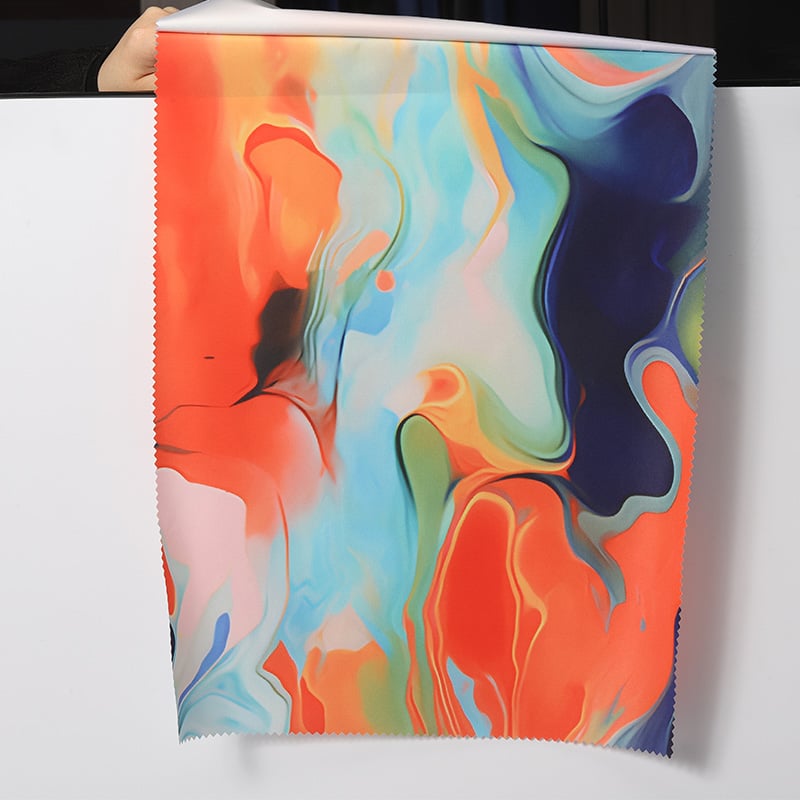
Choosing the right waterproof fabric for sportswear is really important. If you love outdoor activities, you know how essential it is to stay dry and comfortable. There are different types of waterproof materials available, and three of the most common ones are TPU, PU, and TPE. Each of these fabrics has its own special qualities. At Fuhuang, we focus on providing the best options for our customers. Knowing what makes each fabric unique can help you make a smart choice for your sportswear needs.
How TPU, PU, and TPE Fabrics Compare for Wholesale Buyers
When looking at TPU (thermoplastic polyurethane), PU (polyurethane), and TPE (thermoplastic elastomer), each fabric has strengths and weaknesses. TPU is known for being very tough and flexible. It can stretch without tearing, making it great for sports that require a lot of movement. Plus, TPU is resistant to wear and tear, which is why many brands use it for outdoor gear. On the other hand, PU is often softer and more comfortable. It has a nice feel against the skin, but it might not be as durable as TPU. This can be important for wholesale buyers who want to sell sportswear that lasts. TPE is also flexible but tends to be a bit less durable than the other two. However, it’s often cheaper, making it a good choice for buyers on a budget. When buying in bulk, thinking about these differences helps you meet the needs of your customers.
For example, if you’re selling jackets for hiking, TPU might be your best choice because it stands up to rough conditions. If you want to sell lightweight raincoats, PU could be perfect because it feels nice and keeps people dry. TPE might be great for items like caps or gloves where comfort is key and the price is important. By understanding these fabrics, buyers can stock their stores with the right options that appeal to their customers' needs.
Why Fabric Choice Matters in Sports Wear
Choosing the right fabric in sportswear is not just about keeping dry; it’s also about comfort, performance, and safety. For instance, if someone is running in the rain, they need a fabric that will keep them dry without making them feel heavy. The wrong fabric can lead to chafing or overheating, which can ruin an athlete’s experience. At Fuhuang, we recognize that athletes need to focus on their performance, not their clothing.
Moreover, different sports require different types of movement. A swimmer needs lightweight, flexible gear, while a climber needs something that offers protection against the elements. This is why knowing the differences between TPU, PU, and TPE is so important. The right fabric can enhance performance by allowing athletes to move freely and stay comfortable.
In addition, the fabric choice can also affect how breathable the clothing is. When exercising, people sweat; it’s important that the fabric allows moisture to escape. If the fabric traps sweat, it can lead to discomfort and even health issues. Thus, understanding the breathable of TPU, PU, and TPE helps in selecting the best sportswear.
Lastly, fabric choice affects the price point. High-quality materials like TPU laminated fabric may cost more, but they often last longer and perform better. For a business, this means happier customers and fewer returns. In the end, choosing the right fabric can make a huge difference in the success of sportswear. With Fuhuang’s commitment to quality, customers can trust that they are getting the best options for their needs.
How to Identify High-Quality PU Fabric for Waterproof Sportswear
When you’re picking sports wear, it’s really important to choose the right fabric, especially if you want it to be waterproof. One popular fabric you might hear about is PU, which stands for polyurethane. If you want to find quality PU fabric for your sports wear, there are a few things to look for. First, check the feel of the fabric. Good quality PU should feel smooth and soft. If it feels rough or cheap, it might not be the best choice. Next, see how thick the fabric is. Thicker PU usually means it will keep you drier during outdoor activities. You can also look at the stitching. Strong and tight stitching means the fabric is well-made and less likely to let water in. Another tip is to check if the fabric has a special coating. Some PU fabrics have a special finish that makes them even more waterproof. Lastly, always check the care instructions. High-quality PU fabric is easy to clean and should last a long time if you take care of it. At Fuhuang, we make sure our PU sports wear is of the highest quality, so you can stay dry and comfortable while enjoying your favorite activities.
Benefits of TPU, PU, and TPE Materials for Outdoor Sportswear
Now, let’s talk about the benefits of TPU, PU, and TPE for outdoor sports. TPU, which stands for thermoplastic polyurethane, is very flexible and stretchy. This means you can move around easily while wearing it. TPU is also very strong, making it perfect for tough sports like hiking or mountain biking. On the other hand, PU is also a popular choice because it is lightweight and can keep water out well. It’s good for activities like running or cycling, where you don’t want to feel weighed down. TPE, or thermoplastic elastomer, is another great option. It combines the best parts of plastic and rubber, making it both durable and soft. TPE is often used in sports wear because it can handle different weather conditions. It keeps you dry when it's raining but is also breathable, so you won’t feel too hot when you’re working hard. Fuhuang uses all these materials to create sports wear that meets the needs of every athlete. Whether you're hiking, biking, or just playing outside, you can trust our products to keep you comfortable and protected.
Understanding the Limitations of Waterproof Sportswear Fabrics
It’s also important to understand the limitations of waterproof fabrics. While fabrics like TPU membrane, PU, and TPE are great for keeping water out, they are not perfect. For example, if you wear a waterproof jacket made of these materials, it might keep you dry in the rain, but if you sweat too much inside, the moisture can get trapped. This can make you feel wet and uncomfortable, even if the outside is dry. Another thing to consider is how long the waterproofing lasts. Over time, the special coatings that make fabrics waterproof can wear off, especially if you wash them a lot. It’s important to read the care instructions carefully. Some fabrics need special cleaning to keep their waterproof features. Also, in very cold weather, some waterproof fabrics can become stiff and less flexible, which might make them hard to move in. At Fuhuang, we understand these limitations and design our products to give you the best performance possible while keeping these factors in mind. Knowing what to expect from your waterproof sports wear can help you choose the right clothing for your activities.