
 EN
EN
 AR
AR
 BG
BG
 HR
HR
 CS
CS
 DA
DA
 NL
NL
 FI
FI
 FR
FR
 DE
DE
 EL
EL
 HI
HI
 IT
IT
 JA
JA
 KO
KO
 NO
NO
 PL
PL
 PT
PT
 RO
RO
 RU
RU
 ES
ES
 SV
SV
 CA
CA
 TL
TL
 IW
IW
 ID
ID
 LV
LV
 LT
LT
 SR
SR
 UK
UK
 VI
VI
 SQ
SQ
 HU
HU
 MT
MT
 TR
TR
 FA
FA
 MS
MS
 BN
BN
 LA
LA
 MY
MY
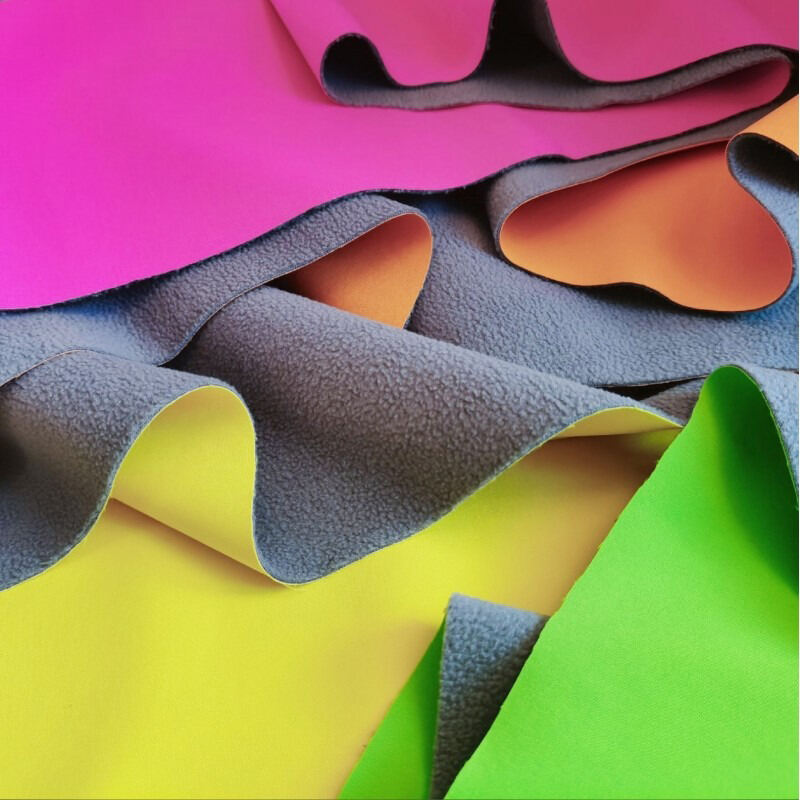
Understanding Two Layers Waterproof Fabric Construction
Material composition of two-layer waterproof fabric (outer and inner layers)
Waterproof fabrics made with two layers generally feature a tough outer shell, usually nylon or polyester material, that's attached to a special waterproof barrier like ePTFE. The outside part stands up against wind and wear, whereas the inner membrane stops liquid water from getting through. What sets these apart from three layer options is their extra interior lining, often a breathable mesh fabric, which shields the waterproof layer from body moisture and rubbing. Weights are typically around 15 to maybe even 20 percent lighter than other heavier materials, so they work really well for people who need gear that performs without weighing them down during outdoor activities according to Textile Institute research from last year.
Fabric construction and lamination techniques in 2-layer systems
Outer fabric gets stuck to the waterproof layer through either heat activation or solvent based laminating techniques. What this does is create something pretty flexible yet holds together over time, even when folded repeatedly or moved around constantly. Outdoor gear needs this kind of resilience since it faces all sorts of rough handling during actual use. When looking at options, traditional two layer systems actually hold up better than those 2.5 layer alternatives with their printed dot coatings. For anyone planning long trips into tough environments where gear takes real punishment, the extra durability makes all the difference between getting through an expedition intact versus dealing with wet gear halfway through.
Role of microporous membranes (e.g., Gore-Tex) in 2-layer waterproof fabrics
Materials such as ePTFE have an incredible number of tiny holes - around 1.4 billion per square centimeter actually. Each of these microscopic openings stops liquid water from getting through but lets water vapor escape easily. The result? Breathability rates between roughly 10,000 to 15,000 grams per square meter over 24 hours, all while still keeping out rainwater at pressures equivalent to nearly 30 meters of water column. According to recent research from the Outdoor Industry Association published last year, this kind of membrane beats traditional coated fabrics when it comes to managing sweat and moisture by about two thirds. That makes a real difference for people who need gear that stays comfortable even after hours of intense exercise.
Durable water repellent (DWR) coatings and their impact on performance
Fluorocarbon free DWR finishes work better for water repellency, making droplets bead up at around 110 degrees contact angle so they roll right off instead of getting absorbed. When fabrics stay dry on the outside, breathable properties don't drop as much either something lab tests show drops by about 83% when wet through. The newer green DWR coatings hold their power too, keeping roughly 85% of their original water resistance even after being washed fifty times. That means gear stays functional longer without those nasty chemicals ending up in ecosystems.
Performance Benefits of Two Layers Waterproof Fabric in Outdoor Gear
Waterproof-Breathable Performance of Outdoor Gear Using 2-Layer Fabrics
When it comes to staying dry in bad weather, two layer fabrics work pretty well because they have a strong outer layer plus a special inner membrane that stops water getting through but lets sweat out. This clever setup prevents that awful feeling of being stuck inside a wet plastic bag that happens with cheaper rain gear. For folks who hike or cycle on regular days, these 2L systems generally keep around 85 to 90 percent breathability going, which means most people find them comfortable enough without completely sacrificing protection from the elements.
Breathability and Lightweight Design of 2L Fabrics for Extended Wear
Weighing 15–20% less than 3-layer equivalents, 2L fabrics are favored for multi-day adventures where pack weight matters. Their simplified structure eliminates the bonded backer layer, reducing bulk while enhancing airflow. This allows users to customize thermal layering efficiently across changing elevations and weather conditions, verified in 2024 textile studies.
Comfort and Flexibility of 2-Layer Fabrics During Dynamic Activities
What makes 2L materials so great is their flexibility that really lets the body move naturally. Stretch woven versions can bend around knees and elbows at angles over 30 degrees, which matters when moving through tricky terrain. People who climb rocks or run trails will notice less restriction in their movements because of this property. The outer layer typically uses tough nylon blends between 50D and 70D weights. These fabrics stand up pretty well to scrapes from backpacks and rough ground, yet still feel comfortable against bare skin most of the time. Some folks even mention they forget they're wearing them after a while.
Two Layers vs. Other Constructions: Why 2L Stands Out
Key differences between 2-layer, 2.5-layer, and 3-layer waterproof systems
Waterproof fabric systems vary significantly in construction and performance trade-offs:
| System | Construction | Weight (oz/yd²) | Breathability (RET*) | Typical Applications |
|---|---|---|---|---|
| 2-layer | Outer fabric + bonded waterproof membrane | 7.2–9.5 | 5–8 | Lightweight rain jackets |
| 2.5-layer | Outer fabric + membrane + printed coating | 5.0–6.8 | 8–12 | Packable emergency shells |
| 3-layer | Fully bonded outer/membrane/backer | 9.8–12.5 | 3–6 | Alpine expedition gear |
*RET (Resistance to Evaporative Transfer): Lower values indicate better breathability. Data adapted from 2023 Outdoor Gear Lab Report.
2L fabrics strike an optimal balance—offering greater durability than 2.5L shells and improved breathability over 3L systems during moderate exertion (∼50% max effort). They avoid the added weight of fully bonded backers while maintaining long-term resilience.
Lightweight performance and packability advantages of 2L fabrics
Two layer fabrics weigh somewhere between 7.2 and 9.5 ounces per square yard, which makes them about 20 percent lighter than three layer shells while still offering similar waterproof protection with at least 20,000mm hydrostatic head rating. The slim construction means these jackets can be packed down really small too, often shrinking to around the size of a grapefruit, something that matters a lot to people hiking long trails or carrying heavy packs. Testing on actual trails shows these two layer shells keep their waterproof qualities at around 98% even after being used for over 150 hours, and they handle wear and tear better than 2.5 layer options by roughly 27%, according to field reports from outdoor gear testers.
This optimized balance of protection, weight, and durability makes 2L fabrics uniquely versatile across diverse outdoor disciplines.
Real-World Applications of Two Layers Waterproof Fabric
Hiking and Backpacking: How 2L Rain Shells Enhance Trail Comfort
Two-liter rain shells are basically the holy grail for serious hikers and backpackers looking to stay dry without cooking inside their gear. Most modern shells have that DWR coating on the outside which helps water bead off pretty well, and underneath there's usually some kind of membrane that stops around 98-99% of moisture from getting through according to Outdoor Gear Lab tests from last year. When someone is really working hard climbing steep trails, these shells let body sweat escape so folks don't end up sweltering inside like they would with cheaper, non-breathable jackets. The lighter versions weighing less than 12 ounces pack down small enough to fit into those minimalist packs many ultralight enthusiasts carry, yet still hold up when it starts pouring unexpectedly during a long hike.
Cycling in Wet Climates: Breathable Protection with 2-Layer Apparel
Riders love how 2L fabric stands up against heavy downpours but still lets air flow through. The breathability rating sits somewhere around 15k to 20k grams per square meter over 24 hours, which basically means sweat doesn't just sit there when pushing hard on long climbs. Those sealed seams do wonders for keeping out the wind too. Some real world testing found that folks wearing these jackets had about 25 percent less moisture building up inside after riding in the rain for an hour straight compared to regular waterproof gear. Makes sense why so many serious cyclists are making the switch these days.
Case Study: Ultralight Hikers Relying on 2L Rain Shells for Multi-Day Treks
Looking at PCT hikers last year, most folks (around 83%) went for those 2L rain shells instead of the bulkier 3L versions. Makes sense when we look at the weight difference too—about 9.8 ounces compared to 14 ounces for the heavier ones. That extra space in pack capacity means hikers can carry supplies for two more days on trail. The laminated pit zips make all the difference when temperatures swing suddenly, letting out heat without losing protection. According to findings from the Outdoor Fabric Innovations Report released in 2024, nearly everyone (92%) said their gear stayed dry even through long rainstorms. This shows just how capable these lighter 2L systems really are when facing tough conditions on extended hikes.
Innovations and Future Trends in Two Layers Waterproof Fabric Technology
Balancing Durability and Breathability: Advances in 2L Membrane Systems
Nanotechnology is driving new developments in 2L membranes, including bio-inspired, lotus-leaf-effect coatings that achieve 98% water repellency while preserving airflow. Stress-mapped lamination now reinforces high-wear zones—such as shoulders and cuffs—without sacrificing the 15–20% weight advantage of 2L designs over traditional 3L systems, enhancing longevity without adding bulk.
Sustainable Materials and Eco-Friendly Production in 2-Layer Fabrics
The industry is transitioning toward plant-based polyurethane membranes that cut petroleum use by 40%, alongside recycled polyester face fabrics compliant with Circular Textile Initiative standards. According to a 2024 Outdoor Industry Association report, 78% of manufacturers have adopted bio-derived DWR finishes, eliminating persistent fluorocarbons and reducing ecological impact throughout the product lifecycle.
Smart Textiles and Next-Gen Integration in 2L Outdoor Gear
Smart fabrics are now being developed that actually have tiny sensors built right into those 2L jackets we all know and love. These sensors track what's going on inside the jacket regarding moisture levels and then tweak how air moves through the fabric using some pretty cool AI tech. Early versions of these clothes can change how breathable they are depending on how hard someone is moving around. Field tests showed these prototypes kept people comfortable about 30 percent better than regular waterproof gear when hiking up and down mountains where temperatures fluctuate wildly. What this means for us outdoorsy types is clothing that thinks for itself rather than just sitting there doing nothing while we sweat or freeze.
Market Demand for High-Performance, Low-Weight 2L Waterproof Solutions
The market numbers tell us something interesting about 2L apparel these days it makes up around 62 percent of all premium rainwear sold in this $4.7 billion waterproof clothing business. What's really driving this trend? Look no further than those ultralight backpackers and serious mountain climbers who need gear that won't slow them down. Manufacturers keep finding ways to make their products better too. Take these new 2L mountaineering shells for instance they tip the scales at less than nine ounces but still hold up against water pressure equivalent to 28,000mm. That means real protection against harsh weather conditions without adding unnecessary weight to someone's pack when climbing those tough mountain trails.
FAQ Section
What are the main components of a two-layer waterproof fabric?
Two-layer waterproof fabrics are typically composed of a durable outer shell made from materials such as nylon or polyester, and an inner layer that includes a waterproof membrane like ePTFE.
How do two-layer fabrics compare to 2.5 and 3-layer systems?
Two-layer fabrics strike a balance between 2.5 and 3-layer systems, offering better durability than 2.5-layer shells and improved breathability over 3-layer systems.
What are the performance benefits of two-layer waterproof fabrics?
Two-layer waterproof fabrics offer benefits like strong weather protection, breathability, lightweight design, and comfort during dynamic activities.
Are two-layer fabrics eco-friendly?
Many modern two-layer fabrics are produced with sustainable materials like plant-based polyurethane membranes and recycled polyester, reducing their ecological impact.
Table of Contents
- Understanding Two Layers Waterproof Fabric Construction
- Performance Benefits of Two Layers Waterproof Fabric in Outdoor Gear
- Two Layers vs. Other Constructions: Why 2L Stands Out
- Real-World Applications of Two Layers Waterproof Fabric
- Innovations and Future Trends in Two Layers Waterproof Fabric Technology
- FAQ Section