 EN
EN
 AR
AR
 BG
BG
 HR
HR
 CS
CS
 DA
DA
 NL
NL
 FI
FI
 FR
FR
 DE
DE
 EL
EL
 HI
HI
 IT
IT
 JA
JA
 KO
KO
 NO
NO
 PL
PL
 PT
PT
 RO
RO
 RU
RU
 ES
ES
 SV
SV
 CA
CA
 TL
TL
 IW
IW
 ID
ID
 LV
LV
 LT
LT
 SR
SR
 UK
UK
 VI
VI
 SQ
SQ
 HU
HU
 MT
MT
 TR
TR
 FA
FA
 MS
MS
 BN
BN
 LA
LA
 MY
MY
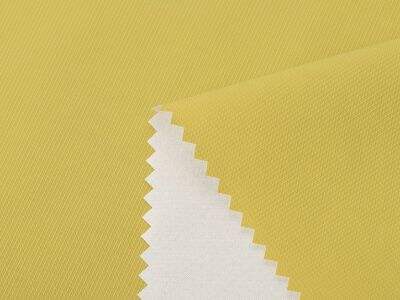
The softshell fabrics are becoming increasingly popular in the outdoor gear and clothing industry. It is comfortable, stretchy and water-repellent. In fabric softshell production, you can find two of the most popular treatments: PU coating and TPU lamination. Both methods help protect the fabric from weather, but they accomplish that task in different ways. The right method can make a big difference in how well the fabric performs. Fuhuang is a professional company who offers high quality the softshell fabric and knowing more about the two treatments should help you make an informed decision as to which one it is that you may need.
How to Select The Right Coating For Your Softshell Fabric Requirements?
If you’re choosing between PU coating and TPU lamination, consider how the fabric will be used. If you just want something for a drizzle, the PU coating could be sufficient. This coating has great water resistance, is less expensive. But if you’re going to be doing more vigorous activities, such as hiking or skiing, TPU lamination might be better. TPU is tougher and more durable than PU, allowing players to play in rougher conditions. Also factor in breathability. Some people sweat heavily when they engage in exercise, and a breathable fabric is important. TPU lamination makes the mat super comfortable so you’ll quickly feel at home, even on extended activities. Also think about the weight of fabric too. PU-coated waterproof softshell fabrics can also be lighter, which may matter to you when traveling or when light packing is essential. But if you are looking for a fabric that will last, TPU lamination is the answer. Finally, think about the cost. If you want to keep the costs down, PU coating can be a good option. But if you want something that will last and perform better across different conditions, it might be worth investing to the self-lamination. Fuhuang gives you the choice between both, so you can decide what best meets your needs.
What Are The Advantages of Using TPU Lamination Over PU Coating on Softshell Applications?
TPU Laminating for Softshell Fabric: There are numerous advantages of TPU laminating softshell fabric particularly is you are an outdoor fanatic. One of the main benefits is, it does not easily break. TPU is a hard and abrasion resistant material. That means if you’re scrambling on rocks or hiking through any sort of technical terrain, your fabric will be more superior to PU-coated options. Another benefit is water resistance. TPU lamination offers the best water protection available to silk liner or cotton which will absorb water. And that’s key for outdoor enthusiasts who never know what the weather will bring. Moreover, TPU lamination provides superior breathability. That means that while it keeps water out, too, it can still allow sweat to escape. This is perfect for people who like to be comfortable as they’re on the move. Also TPU lamination is more elastic than PU coating. This comfort factor can make a big difference after hours and hours of wearing the fabric. How the fabric looks and feels is also important. TPU-laminated cloth may have a nicer finish, sometimes an important consideration if clothing. Lastly, consider the environmental impact. TPU is usually also more eco-friendly than PU, something that might be an important factor for those who are environmentally minded. Here at Fuhuang, we offer a range of high quality TPU-laminate fabrics that are great for the environment to boot.
What Wholesale Buyers Should Know?
When the wholesalers of softshell fabric goes to search, you know what they often think about: PU coating and TPU lamination. Both of those operations contribute to the strength and water resistance of the textile, but they are not identical. PU, or polyurethane, coating is a common favorite as it is cheaper and offers some water and wind protection. But it can deteriorate more quickly, particularly if the softshell fabric gets a lot of use. By contrast, TPU ( or thermoplastic polyurethane) lamination is slightly more expensive but provides superior durability and flexibility. This means that gear or clothing using TPU-laminated fabric can be stronger and stronger – yet still comfortable to wear.
When large buyers are in the mix, it becomes important to think about what products they want to sell. If they are on the hunt for outdoor equipment that should be durable in harsh weather, TPU lamination might be a better option. It is heavy enough for strong winds and heavy rain, so it is a great option in jackets and pants intended for hiking or camping. But for lighter, more everyday outerwear and clothing, it can be a good option if you’re thinking of buying. It offers protection without compromising weight or bulk. Fuhuang has several types of softshell fabrics available, PU coating or TPU lamination are the popular options for most buyers to choose. We hope the information below can help you distinguish between these two options, and make a wise purchase to meet your customer demand.
Why is TPU Lamination Chosen by Outdoor Gear Suppliers?
TPU lamination is the choice of preference for a lot of outdoor gear manufacturers, and for good reason. - TPU lamination is very durable as it ensures a connection between the individual layers. This means that a piece of kit built from this fabric will survive many adventures without falling apart. When people are hiking, camping and otherwise spending time in the great outdoors, they need clothes that can take some punishment. And because there’s TPU lamination, it's that much more durable for outdoor enthusiasts.
Second, TPU lamination is flexible. It just means you can move better, and that’s important when people are climbing in the mountains or out on trails. TPU-laminated fabric gear is frequently more lightweight and comfortable, too, so you can move as freely as your new favorite bag makes you feel. This is one of the ways that it holds a significant advantage over PU-coated fabrics, which can sometimes be stiffer and not as breathable. Companies such as Fuhuang know that when it comes to outdoor gear, comfort and durability are paramount, thus they concentrate on employing TPU lamination for their product.
Finally, TPU lamination is also better for the environment than PU coating. With a growing number of people conscious about the environment, manufacturers want to be using materials that cause less harm to our planet. TPU is often produced from safer materials and has a lower carbon footprint at the time of creation. That is crucial for companies seeking to woo customers who care about the environment. For this reason, TPU lamination is increasingly becoming the go-to option for outdoor gear manufacturers who want to produce products that address the needs of active customers.
What Are The Newest PU Coating And TPU Laminating Trends In Fashion And Function?
In the fashion and function world, PU coating and TPU lamination are transitioning to meet new demands. One new trend in PU coating is to try colorful bright and fun prints. NoW, many brands are making chic rain jackets and outdoor gear that don’t just keep you dry — they help you look good. Designed for the younger audience, these bright PU-coated fabrics appeal to the customers who like to be outdoors and want something that reflects their personality. Fuhuang is leading the pack with stylish alternatives that don’t sacrifice quality.
TPU lamination, on the other hand, is increasingly popular in high-performance gear. Companies are concentrating on developing thin, breathable cloth that still provides the best possible protection. This is significant for athletes and outdoor enthusiasts who want their gear to match their active lifestyle. There are new technologies in the development process that will make TPU laminated fabric more breathable and allow moisture to be evaporated through while preventing water from entering. This makes the users enjoy comfortable exercise experience.
Another development is the increasing search for a sustainable material. Both PU coating and TPU lamination are being applied in an eco-friendly way. Consumers are now demanding products that are produced with recycled content, or have a smaller environmental footprint. Firms like Fuhuang are catering to this demand with fabrics that perform a function and also give the planet something back. This move toward sustainability is driving the future of PU-coated and TPU-laminated fabrics and opens them up to a wider market looking for fashion as well as function.
Table of Contents
- How to Select The Right Coating For Your Softshell Fabric Requirements?
- What Are The Advantages of Using TPU Lamination Over PU Coating on Softshell Applications?
- What Wholesale Buyers Should Know?
- Why is TPU Lamination Chosen by Outdoor Gear Suppliers?
- What Are The Newest PU Coating And TPU Laminating Trends In Fashion And Function?